Draw the Line
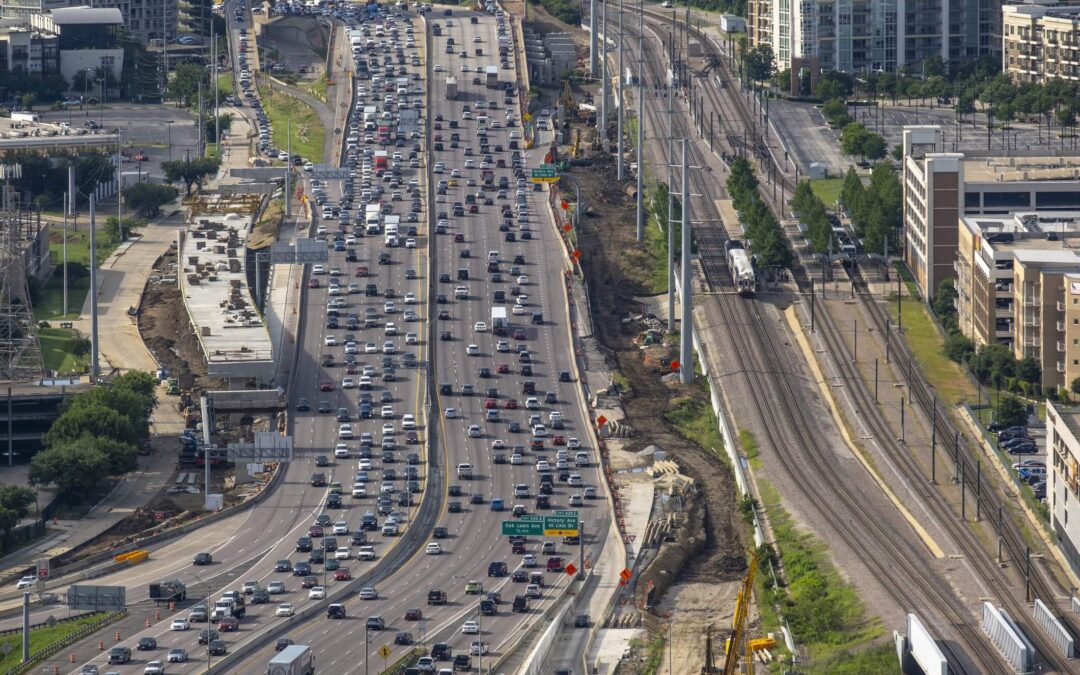
We limit things in life for a reason. Fewer donuts mean a healthier waistline. Less screen time for kids means more focus on homework. But when it comes to driving, many treat the posted speed limit as a suggestion – not the law.
Speeding is risky and very dangerous. In fact, for more than two decades, speeding has been a factor in about one-third of all traffic fatalities in the U.S. In 2023 alone, speeding contributed to 29% of all traffic deaths, according to the National Highway Traffic Safety Administration. That’s 11,775 lives lost. And while that’s a 3.1% decrease in speed-related crash fatalities from the year before, it’s still far too many preventable tragedies.
So, please join us as we draw attention to NHTSA’s safety campaign in July: Speeding Catches Up with You.
Why Do People Speed?
Common reasons people cite for speeding:
- They’re running late
- They believe the posted limit is too low and assume going “just 5 over” isn’t a big deal
- They enjoy the thrill
- They have no fear of getting caught
But speeding endangers everyone on the road – drivers, passengers, pedestrians, road construction workers and first responders.
While speeding is risky for commuters and delivery drivers in normal conditions, speed becomes even more of a factor when conditions change. Even driving the speed limit could be too fast during times of inclement weather, road construction or low visibility.
Who’s Most at Risk?
- In 2023, a staggering 88% of all speed-related fatalities occurred on non-interstate roads, according to NHTSA.
- Male drivers ages 15 to 24 were the most likely to be speeding (about 33%) at the time of fatal crashes in 2023, according to data analysis from the National Safety Council. By comparison, 18% of female drivers in the same age group were involved in fatal crashes.
- 36% of all motorcycle riders in fatal crashes in 2023 were speeding, according to NHTSA. Among those aged 21 to 24, that jumped to 54%.
The Real Costs of Speeding
Speeding increases the risk of losing vehicle control, reduces the effectiveness of safety equipment, increases stopping distances and increases the likelihood of severe crash injuries. Speeding also can lead to serious financial consequences.
What can you do? Get free resources, help us create safer roads:
- Use our Traffic Safety Huddle sheet to build your own workplace safety talk
- Watch and share this 30-second video: Look at the Damage.
Changing the Culture of Speed
Speeding is a form of aggressive driving often triggered by traffic congestion, tight schedules and the anonymity of being behind the wheel. We can all help by raising awareness, encouraging responsible driving habits and modeling safe behavior.
Let’s work together to make safety a priority – on and off the job. Slow down. Save lives.

Free Impairment Training
Impairment, whether caused by alcohol or other drugs (including prescription medications), fatigue or stress, can negatively impact job performance and increase safety risks. The impact at your workplace can be measured in a number of ways:
- Injuries that result from slower reaction time or clouded judgment
- Incidents that arise from irritability or aggression
- Mistakes that affect work quality and/or lead to a loss of productivity
What can you do to keep your team safe? Join us on Tuesday, July 15, for a free online training session led by April Ramos and Tracy LeMaire of the National Safety Council:
- Workplace Impairment Training. Register now to attend.
You’ll learn how to answer key safety questions and respond to potential impairment issues at your location. You’ll be better prepared to educate your employees about risks, which contributes to a culture of workplace safety. When you reduce workplace injuries and claims, you also positively impact your organization’s bottom line.
So, save the date. See you July 15!